
Meditation has been practised for thousands of years across cultures - and modern science is now catching up to what ancient traditions have long understood: that the mind plays a profound role in how we experience pain, stress, and illness. For anyone living with chronic pain, managing stress, or simply looking for more calm in a busy life, developing a meditation practice can be genuinely transformative.
How Meditation Affects Pain
The relationship between mind and pain is not metaphorical - it's neurological. Research using brain imaging has shown that mindfulness meditation actually changes the structure and function of brain regions involved in pain processing, including the anterior cingulate cortex and the insula.
When we experience pain, the nervous system doesn't just register the physical sensation - it also generates an emotional response (fear, frustration, resistance) that amplifies the experience. Meditation works by creating a different relationship with pain: observing it without reacting to it, which reduces the suffering component even when the underlying sensation hasn't changed.
Studies have found that:
- Regular mindfulness meditation can reduce chronic pain intensity by 30-40%
- Meditation reduces the anxiety and depression commonly associated with chronic pain
- Even 8 weeks of regular practice produces measurable changes in brain structure
- Meditation improves sleep - and better sleep directly reduces pain sensitivity
Types of Meditation to Try
Mindfulness Meditation
The most widely studied form for pain management. The practice is simple: sit comfortably, close your eyes, and bring your attention to the breath - the physical sensation of air entering and leaving your body. When your mind wanders (and it will!), gently return it to the breath without judgment. Start with 5-10 minutes and build from there.
As neuroscientist Candice Pert noted, "simply bringing awareness to the process of breathing initiates the release of peptide molecules from the hindbrain to regulate breathing while unifying all systems" - a reminder that something as simple as conscious breathing has real, measurable physiological effects.
Body Scan Meditation
Particularly helpful for those with chronic pain or muscular tension. Lie down comfortably and slowly move your attention through each part of your body - from your feet up to the top of your head - noticing any sensations without trying to change them. This practice builds body awareness and often releases tension you didn't know you were holding.
Guided Meditation
If sitting with your thoughts feels overwhelming at first, a guided meditation - available via apps like Calm, Insight Timer, or Headspace - provides a structure that makes it easier to stay focused. There are many guided sessions specifically designed for pain management, sleep, and stress relief.
Breath-Focused Meditation
A simple technique that anyone can use, anywhere:
- Find a comfortable seated position and let your eyes close
- Take a slow breath in for a count of 4
- Hold gently for a count of 4
- Exhale slowly for a count of 6
- Repeat for 10 cycles
The extended exhale activates the parasympathetic nervous system - your body's "rest and digest" mode - which directly lowers cortisol, reduces muscle tension, and quiets the pain response.
Creating Your Meditation Space
You don't need a dedicated room or special equipment - but a few simple adjustments can make it much easier to settle into practice:
- Choose a consistent spot - your brain will associate it with calm over time
- Eliminate interruptions - let others know you're not to be disturbed, or use this time when the house is quiet
- Use essential oils - diffusing calming oils during meditation deepens the sensory experience and creates a powerful associative anchor. Our Kunzea Essential Oil is grounding and calming, making it ideal for meditation. Lavender is another classic choice for promoting stillness and reducing anxiety
- Comfortable support - a cushion, yoga mat, or comfortable chair is all you need
How to Build a Consistent Practice
The biggest challenge with meditation is consistency. Here's what actually works:
- Start small - 5 minutes daily is infinitely more valuable than 30 minutes once a week
- Link it to an existing habit - meditate right after your morning coffee, or as part of your bedtime routine, so it naturally fits into your day
- Be kind to yourself - a wandering mind is not "failing" at meditation. The return to focus is the practice
- Track your practice - apps like Insight Timer show your streak, which can be a helpful motivator
- Experiment - if one type of meditation doesn't resonate, try another. There's no single right way
Meditation and Essential Oils
Pairing meditation with aromatherapy can deepen the experience significantly. Scent bypasses the conscious mind and directly affects the limbic system - the part of the brain responsible for emotion and memory. A consistent scent used during meditation becomes an associative cue: over time, simply smelling it begins to activate a calm, focused state.
Our favourite combinations:
- Kunzea + Lavender - deeply calming and grounding, ideal for pain management meditation
- Frankincense + Sandalwood - traditional meditation oils that promote deep focus
- Peppermint + Eucalyptus - for an energising, clarifying morning meditation
Add 3-5 drops to a diffuser before you start and let the aroma settle the space.
Frequently Asked Questions
How long does it take to see benefits from meditation?
Many people notice reduced stress and better sleep within a few days of starting. For chronic pain specifically, research suggests 8 weeks of consistent practice produces the most meaningful neurological changes - though you'll likely notice benefits much sooner.
Do I need to clear my mind completely?
No - this is one of the most common misconceptions about meditation. The goal is not to have an empty mind, but to notice thoughts without getting caught up in them. A wandering mind is completely normal.
Can meditation replace medication for pain?
Meditation is a complementary tool, not a replacement for medical treatment. It works best as part of a holistic pain management approach alongside any medical care you're receiving.
What's the best time of day to meditate?
Consistency matters more than timing. Morning meditation can set a calm tone for the day; evening meditation can help unwind and prepare for sleep. Choose a time that fits your life and stick to it.
Developing a meditation practice is one of the most valuable investments you can make in your long-term health and wellbeing. Start with five minutes today - your nervous system will thank you.


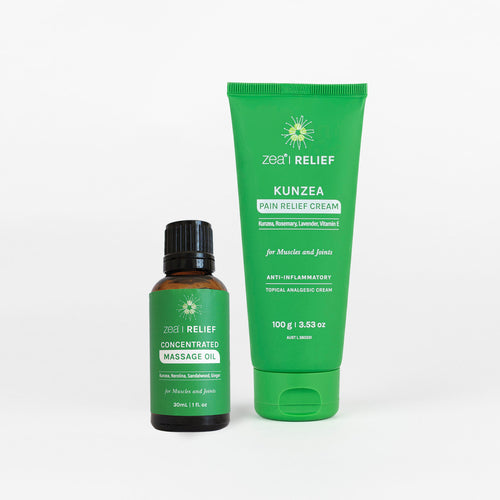
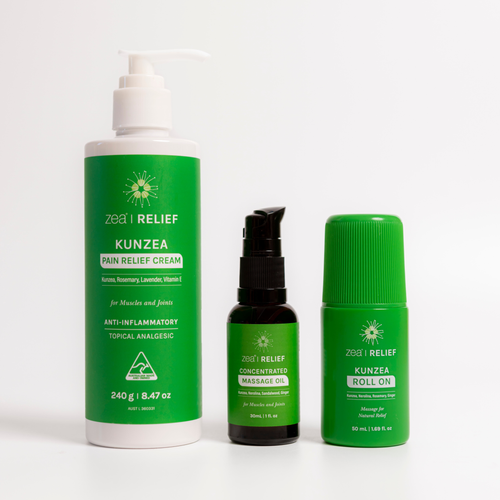
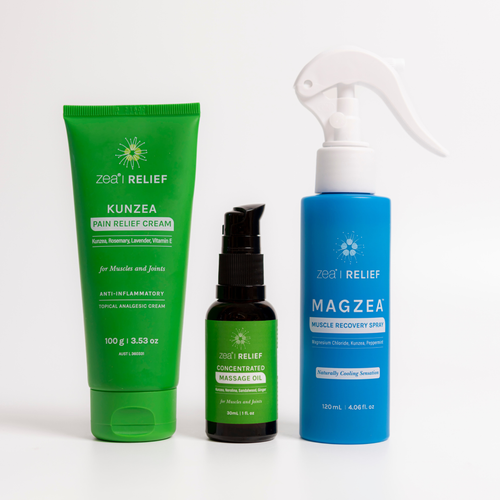

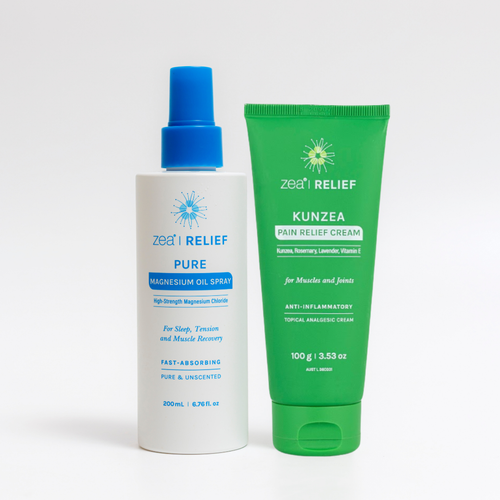

![Kunzea Pain Relief Cream [Value Pack]](http://zea.asia/cdn/shop/files/Neutral_Images_Website_1080_x_1080_12_aeeb7fb5-6b18-4315-99ea-c7a97403e37a.png?v=1776732033&width=500)


